
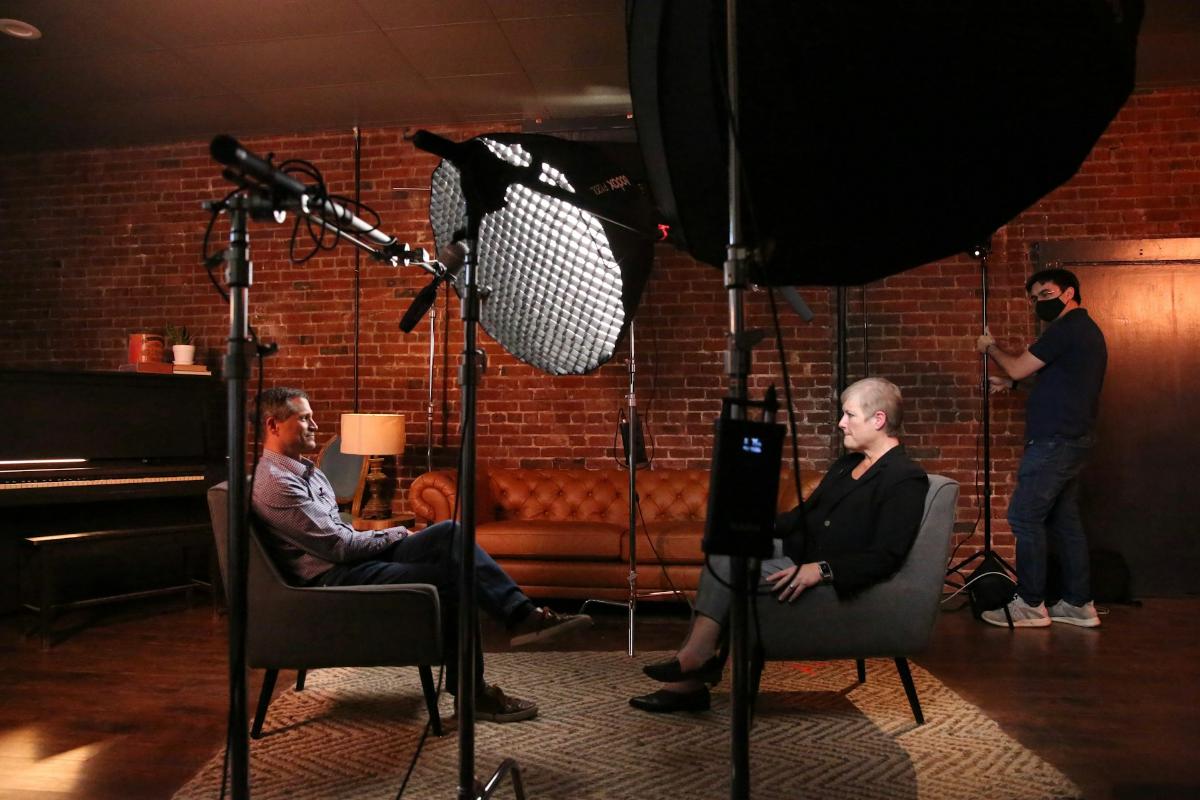
03 Jun Top 6 Ways to Maximize Your Studio Rental Time in Los Angeles
TOP 6 WAYS TO MAXIMIZE YOUR STUDIO RENTAL TIME IN LOS ANGELES
Get More Shots Per Hour Without Working Harder
Time Is Your Most Expensive Resource
Los Angeles is an expensive city to shoot in. Studio rental rates, crew day rates, equipment rentals, and catering all tick upward every hour you are on set. The difference between a production that finishes on time and one that goes into overtime is rarely the complexity of the shots. It is almost always preparation and workflow.
At Warehouse 1 Productions, we have watched hundreds of productions move through our facility over the past twelve years. The ones that get the most value from their rental time follow a specific pattern. They arrive ready. They move efficiently. They communicate clearly. And they take advantage of the unique benefits that a studio environment offers. Here are the six strategies that separate the pros from the amateurs.
MAXIMIZE YOUR DAY
1. Send Your Shot List Early
This is the single biggest time saver that most productions skip. When you send us your shot list before your booking, we can advise you on timing, set order, and technical setup. We know which sets are faster to shoot than others. The Interrogation Room is compact and efficient. The Cafe/Bar has more angles and options, which means it takes longer if you are not disciplined.
We can also tell you if your shot list is realistic for your rental block. If you have twenty setups planned for a four-hour rental, we will tell you upfront that something needs to go. It is much better to hear that before you arrive than to figure it out at hour three when you still have half your list untouched. A realistic shot list is the foundation of an efficient day.
2. Pre-Light Before Arrival
Studio lighting is faster than location lighting, but it still takes time. The productions that move fastest arrive with a lighting plan already figured out. Your gaffer should know what lights you are bringing, what the mood is for each scene, and what the power requirements are.
At Warehouse 1, our sets have built-in lighting grids and adequate power distribution. If your gaffer knows the set layout in advance, they can walk in and start hanging lights immediately instead of spending the first hour assessing the space. We can send photos and dimensions of any set before your booking. Use them. Pre-lighting in your head saves hours on the day.
3. Use Multiple Sets Strategically
This is where Warehouse 1 really delivers value. Because we have eight sets under one roof, you can shoot multiple locations in a single day without any company moves. The key is scheduling them in the right order.
We recommend starting with the set that requires the most setup. Get your most complex lighting and blocking done first while everyone is fresh. Then move to the simpler sets as the day progresses. The Living Room and Office are great afternoon sets because they are forgiving and fast to light. The Alleyway works well anytime because it is so controllable. Plan your day like a military operation and you will get more shots than you thought possible.
4. Keep Your Crew Lean
A big crew looks impressive, but it slows you down. Every extra person is someone who needs direction, space, and a task. On a studio shoot, you need fewer people than you think. The sets are already built, so you do not need a construction team. The lighting grid is already there, so your gaffer needs less rigging support. The props are already in place, so your art department is lighter.
We see the most efficient productions with four to six core crew members who know their roles. Camera, sound, lighting, and production. That is it. If you have ten people standing around while the DP figures out the lighting, your day slips away. Keep it tight. Keep it focused. Your budget and your schedule will thank you.
5. Test Your Gear Beforehand
Nothing kills a production schedule faster than gear failure. A camera that will not power on. A microphone with a bad cable. A light that flickers. These problems always happen in the first hour, and they always cost you more than the repair time because they throw off your entire rhythm.
Test everything the night before. Power on every piece of equipment. Check every cable. Format every card. Charge every battery. If something is broken, you have time to fix it or replace it. If you wait until load-in to discover the problem, you are already behind. The studio is ready for you. Make sure your gear is ready too.
6. Book Enough Time
This sounds obvious, but it is the most common mistake we see. Productions book the minimum time because they are trying to save money, then they rush, make mistakes, and end up needing to book a second day. That second day costs more than booking enough time on the first day would have.
Be honest about how long your shoot will take. Add buffer time for the unexpected. If you think you need six hours, book eight. If you finish early, great. You bank that time for pickups or you get to wrap early and buy your crew dinner. If you need the extra time, you have it. Underestimating your rental block is the fastest way to blow your budget.
WAREHOUSE 1 PRODUCTIONS NOTE
“We had a music video production book a four-hour block and try to shoot in five different sets. They sent the shot list the night before, and we told them it was not realistic. They adjusted to three sets, sent a lean crew of five, and finished with twenty minutes to spare. The director told us it was the smoothest shoot he had ever done. Preparation is everything.”
Frequently Asked Questions
How early should I send my shot list?
At least three days before your shoot. That gives us time to review it, make recommendations, and answer any questions. Last-minute shot lists are better than none, but early planning always wins.
Can I visit the studio before booking to plan my lighting?
Yes. We encourage scouts. Walking through the sets with your DP and gaffer before shoot day is one of the best investments you can make. Contact us to schedule a scout at 818-940-1574.
What is the ideal crew size for a studio shoot?
Four to six people for most indie productions. Camera, sound, lighting, and production. You can add a PA if needed, but resist the urge to bring everyone who wants to be on set. A small focused crew moves faster.
How much buffer time should I build in?
Add at least twenty percent to your estimated schedule. If you think you need five hours, book six. If you think you need eight, book ten. The buffer is not wasted time. It is insurance against the unexpected.
What happens if I finish early?
You wrap early and save money on overtime. Or you use the extra time for additional coverage, pickups, or experimental shots. Finishing early is always better than running late.
Key Takeaways
✓ DO THIS
- Send shot list three days early
- Pre-plan your lighting setup
- Schedule complex sets first
- Keep crew to four to six people
- Test all gear the night before
- Book twenty percent more time than you think you need
✗ AVOID THIS
- Arriving with no plan
- Figuring out lighting on the day
- Over-scheduling your shot list
- Bringing a crew larger than necessary
- Untested gear on shoot day
- Booking the minimum time to save money
MAXIMIZE EVERY MINUTE OF YOUR RENTAL.
Book a studio that is built for efficient production workflows.
Eight standing sets | Expert scheduling advice | Ready when you are
About Warehouse 1 Productions: We operate standing film sets and studio spaces in Los Angeles for productions of all sizes. Our sets include the Alleyway, Interrogation Room, Living Room, Office, Cafe/Bar, Kitchen, Hospital Room, and Locker Room. We serve indie filmmakers, commercials, music videos, live streams, TV shows, and feature films. Call 818-940-1574 for availability.
Disclaimer: This article is for informational purposes only. Studio features, pricing, and availability are subject to change. Contact Warehouse 1 Productions directly for current rates and booking details.
Sorry, the comment form is closed at this time.